Financial Management Communication That Actually Works
Most finance professionals can crunch numbers brilliantly. But when it comes to explaining those numbers to people who don't live and breathe spreadsheets? That's where things get tricky.
We've spent years watching talented financial managers struggle to communicate complex ideas in ways that clients, team members, and stakeholders can actually understand and act on.
Our programme addresses this gap head-on. Not with theory or abstract concepts, but with practical communication frameworks built specifically for financial contexts.

Why Our Approach Feels Different
We don't teach generic business communication skills and hope they stick. Every exercise, every framework, every example comes directly from real financial management scenarios that our participants face daily.
Context-Driven Learning
Each module starts with actual communication challenges from financial environments. Budget discussions that went sideways. Risk explanations that confused rather than clarified. Stakeholder meetings that never quite landed.
Progressive Complexity
We begin with straightforward scenarios and gradually introduce layers. By week eight, participants handle multi-stakeholder situations with competing priorities and varying financial literacy levels.
Immediate Application
Everything learned gets tested in realistic simulations before participants leave each session. No waiting weeks to try out new skills. The feedback loop stays tight and relevant.
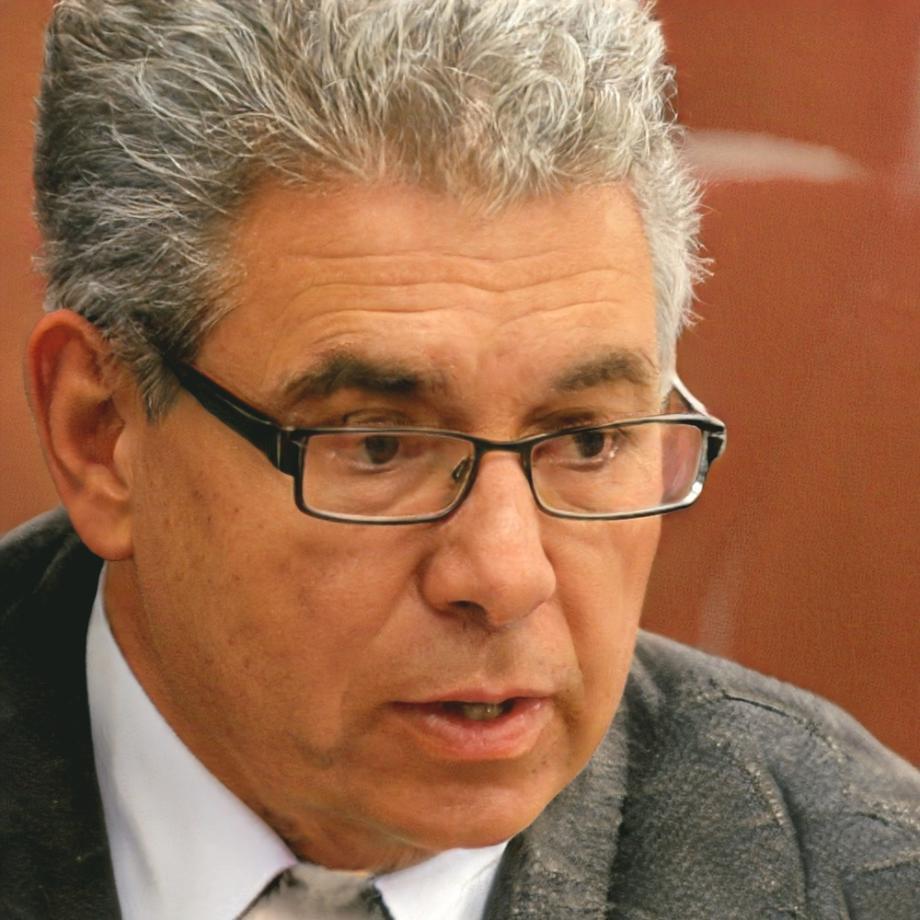
Vikram Deshmukh
Senior Financial AnalystVikram joined us after a particularly frustrating quarterly review where his meticulously prepared financial analysis completely missed the mark with non-financial executives.
The numbers were solid. His recommendations made perfect sense from a financial perspective. But he'd lost the room within the first five minutes because he hadn't adapted his communication style to his audience.
Six months into the programme, he's restructured how he approaches these meetings entirely. His presentations now start with outcomes, not methodology. His executives actually engage with the data instead of glazing over.

Freya Lindstrom
Finance ManagerFreya's challenge was different. She managed a team of seven, all with different communication preferences and varying comfort levels with financial concepts.
Team meetings felt like she was speaking three different languages simultaneously. Some people needed detailed breakdowns. Others wanted high-level summaries. The disconnect was slowing down decision-making.
Through the programme, she developed a flexible communication framework that adapts to individual needs without creating extra work. Her team's response times improved by nearly 40% in the following quarter.
Real Shifts Take Time
We're upfront about this: meaningful communication improvement doesn't happen overnight. The patterns that make financial professionals effective with numbers sometimes work against them when explaining those numbers to others.
Breaking those patterns requires consistent practice in varied contexts. Which is why our programme runs for twelve weeks, not two days.
Participants work through dozens of scenarios that mirror their actual professional challenges. Each one builds on previous skills while introducing new complexity.
By the end, the communication approaches become instinctive rather than forced. That's when the real transformation happens.
How the Programme Actually Runs
Our next cohort begins in September 2025. We keep groups deliberately small because this isn't about lecture-style learning. It's about active skill development with plenty of individual feedback.
Foundation Phase (Weeks 1-3)
We establish core principles around audience analysis, message structuring, and clarity in financial contexts. Participants dissect real financial communications that worked well and identify exactly why. Then they apply those patterns to their own scenarios.
Application Phase (Weeks 4-7)
Things get more complex here. Multi-stakeholder scenarios. Budget negotiations with competing priorities. Risk communication when uncertainty is high. Each session includes live practice with immediate feedback from both facilitators and peers.
Integration Phase (Weeks 8-10)
Participants bring actual communication challenges from their current roles. We workshop these in detail, testing different approaches and refining based on group input. The goal is developing adaptable frameworks rather than rigid scripts.
Refinement Phase (Weeks 11-12)
Final sessions focus on handling difficult conversations and high-pressure situations. Delivering bad financial news. Managing stakeholder expectations when projections change. Communicating during crises. We simulate these scenarios with realistic pressure and time constraints.
Ready to Communicate as Effectively as You Analyse?
Our September 2025 cohort has 18 places available. We'll need to chat before confirming your spot to make sure the programme aligns with where you're currently at and what you're looking to achieve.
Sessions run Tuesday evenings from 6:30 to 8:30 PM, with some weekend workshops scheduled throughout the twelve weeks. Full schedule details and programme outline available when you reach out.